Stanford Division of Computational Medicine
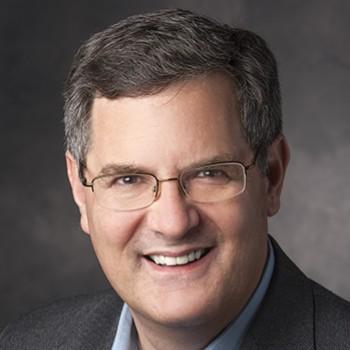
Mark Musen MD, PhD
Division Chief & Professor of Medicine, Computational Medicine
Message from the Division Chief:
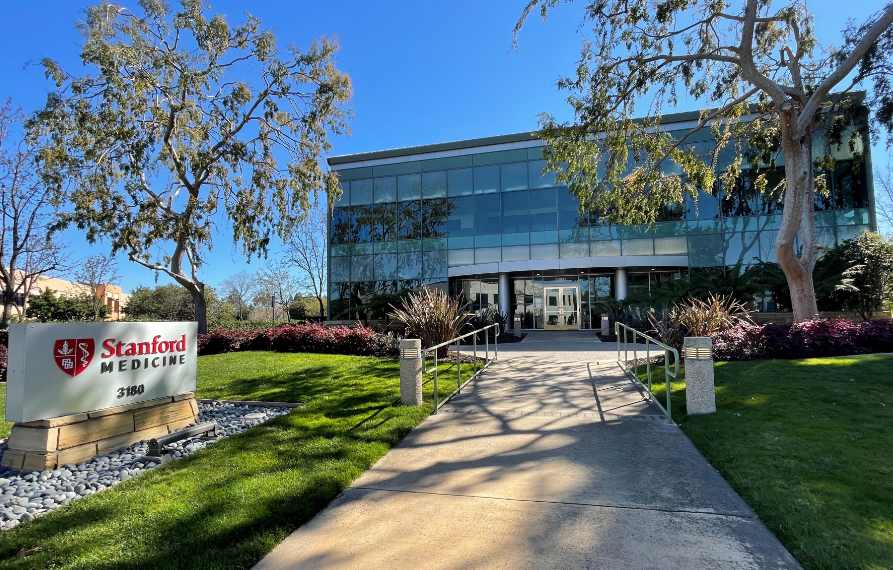
The Division of Computational Medicine in the Department of Medicine develops the information science, computational technology, and standards needed to advance modern healthcare and biomedical research efficiently and safely. Located at the Stanford Research Park, we create and apply computational methods for the management, communication, and analysis of complex biomedical data and knowledge. Our close connection with Stanford’s world-class healthcare delivery system, biomedical research community, and industry partners uniquely enables Computational Medicine to translate scientific discovery into tools that are used routinely in real-world settings.
Our Values
Your content goes here. Edit or remove this text inline or in the module Content settings. You can also style every aspect of
Innovation
We champion bold ideas and novel computational approaches that push the boundaries of biomedical research and healthcare delivery.
Integrity
We uphold the highest standards of scientific rigor, transparency, and ethical responsibility in research and clinical applications.
Collaboration
We bring together diverse disciplines, from computer science and statistics to clinical medicine and public health, to foster teamwork and shared impact.
Translation
We transform computational discoveries into practical solutions that improve research, inform clinical decision-making, and advance patient care.
Latest News

AI, Discovery, and The Future of Health Care
The latest RAISE Health newsletter features Division Chief Mark Musen’s NSF-backed project to build a national network of AI-driven “self-driving” laboratories, along with advances in biomedical AI and new perspectives on AI in mental health care.

The People Who Defy Alzheimer’s Risk: A Q&A with Yann Le Guen
In a new Q&A, QSU’s Yann Le Guen discusses his new research on why some people remain cognitively healthy despite high genetic risk for Alzheimer’s. The findings may offer clues to natural protection against the disease.
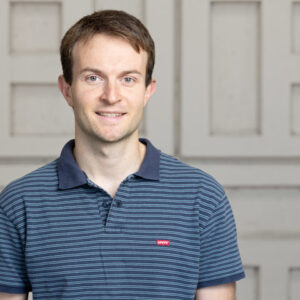
Why Some People With a Major Alzheimer’s Risk Gene Stay Protected
A new study led by QSU’s Yann Le Guen [pictured] starts with a different question from most Alzheimer’s research: Instead of asking why people who carry APOE ε4 develop Alzheimer’s disease, the researchers asked why some carriers remain cognitively healthy well into older age. Click the post to read the full study!