
Faculty
Computational Medicine Faculty
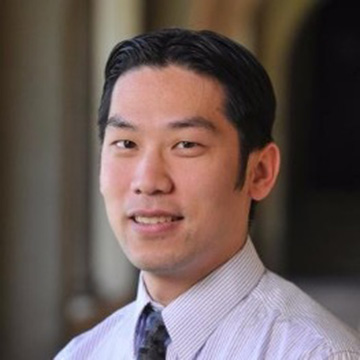
Jonathan H. Chen, MD, PhD
Associate Professor of Medicine, Computational Medicine
Dr. Chen is a physician-scientist with professional software development experience as an entrepreneur and graduate training in computer science. He practices Internal Medicine for the reward of caring for patients and to inspire research, mining clinical data sources to inform recommendations for medical decision-making.
Dr. Chen is an expert in Electronic Health Records, Data-Mining, Crowd-sourcing, Recommender Systems, Collaborative Filtering, Observational Research, Medical Decision Making, Machine Learning, Secondary Analysis, Clinical Decision Support. Dr. Chen joined Stanford BMIR in 2017 as an Assistant Professor.
Education:
PhD, University of California, Irvine
MD, University of California, Irvine
Residency: Internal Medicine, Stanford University
Fellowship: Palo Alto VA Healthcare System
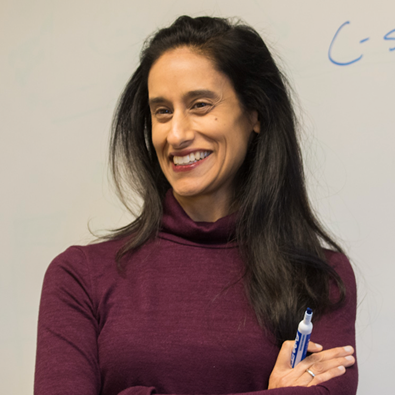
Manisha Desai, PhD
Section Chief of Biostatistics, Director of the Quantitative Sciences Unit
Kim and Ping Li Professor of Medicine, Computational Medicine/Biostatistics
Dr. Desai is the Section Chief of Biostatistics and the Director of the Quantitative Sciences Unit (QSU). She is an expert in the design of complex clinical trials, the handling of missing data, the translation of trial findings to real world target populations, and the optimal development of data science infrastructure for academic medical centers. As Section Chief of Biostatistics and Director of the QSU, she manages a group of faculty, and PhD- and Master’s-level staff, who collaborate with clinical and translational investigators throughout the School of Medicine to generate robust and rigorous evidence that drives patient care. Dr. Desai joined the Department of Medicine at Stanford University in 2009.
Education:
PhD, University of Washington, Seattle, WA, Biostatistics
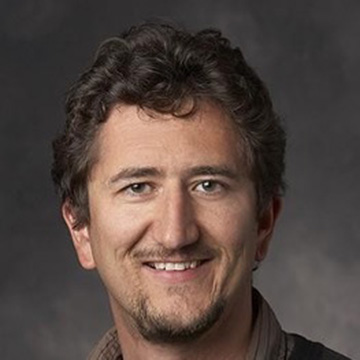
Olivier Gevaert, PhD
Associate Professor of Medicine, Computational Medicine
Dr. Olivier Gevaert is an associate professor at Stanford University focusing on developing machine-learning methods for biomedical decision support from multi-scale data. He is an electrical engineer by training with additional training in artificial intelligence, and a PhD in bioinformatics at the University of Leuven, Belgium. He continued his work as a postdoc in radiology at Stanford and then established his lab in the department of medicine in biomedical informatics. The Gevaert lab focuses on multi-scale biomedical data fusion primarily in oncology and neuroscience. The lab develops machine learning methods including Bayesian, kernel methods, regularized regression and deep learning to integrate molecular data or omics. The lab also investigates linking omics data with cellular and tissue data in the context of computational pathology, imaging genomics & radiogenomics. Dr. Gevaert joined BMIR in 2015 as an Assistant Professor of Medicine.
Education:
PhD, University of Leuven, Belgium, Bioinformatics
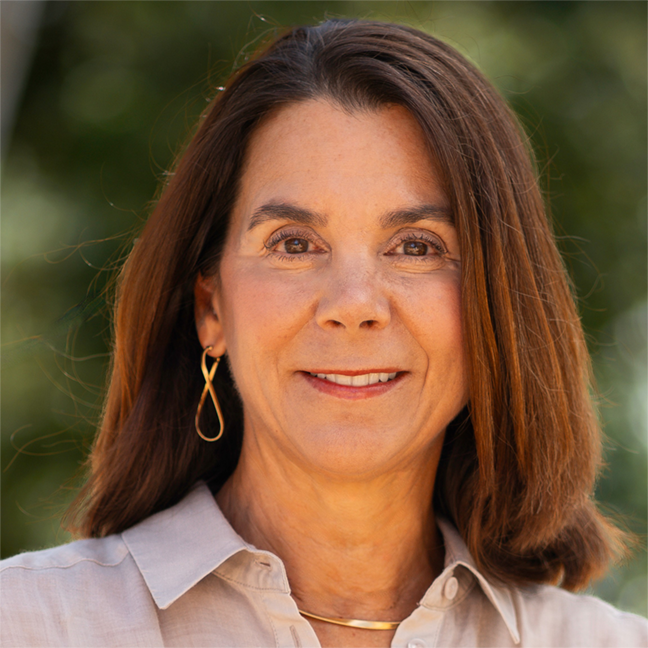
Tina Hernandez-Boussard, PhD
Professor of Medicine, Computational Medicine
Dr. Hernandez-Boussard’s background and expertise is in computational biology as well as in health-services research. Her research concentrates on accountability measures, population health, and health policy. A key focus of her research is the application of novel methods and tools to large clinical datasets for hypothesis generation, comparative effectiveness research, and the evaluation of quality healthcare delivery.
Education:
PhD, University Claude Bernard, Lyon 1, Computational Biology
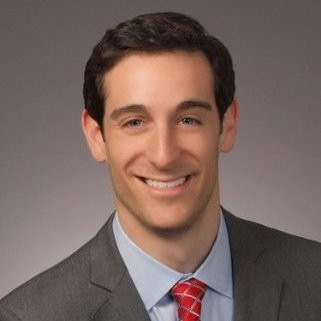
Daniel Katz, MD
Assistant Professor of Medicine, Computational Medicine & Cardiovascular Medicine
Daniel Katz is an Assistant Professor of Medicine in the Division of Computational Medicine and the Cardiovascular Medicine Divisions. He practices as an Advanced Heart Failure and Transplant Cardiologist. He completed internal medicine residency at Massachusetts General Hospital, general cardiology training at Beth Israel Deaconess Medical Center, and then joined Stanford in 2021 for his advanced heart failure training. Since medical school, his research has focused on identifying the various pathophysiologic patterns and mechanisms that lead to the heterogeneous syndrome of heart failure. His efforts leverage high dimensional data in many forms including clinical phenotypes, plasma proteomics, metabolomics, and genetics. He is presently engaged in analysis of multi-omic data from the Molecular Transducers of Physical Activity Consortium (MoTrPAC) and the NHLBI Trans-Omics for Precision Medicine (TOPMed) Program. His clinical interests include advanced heart failure, transplant cardiology, and mechanical circulatory support.
Education:
MD, Northwestern University
Residency: Massachusetts Genearl Hospital, Internal Medicine
Fellowship: Harvard Medical School, Beth Israel Deaconess Medcial Center
Fellowship: Stanford University, Advanced Heart Failure and Transplant
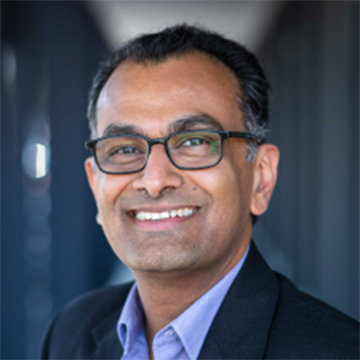
Purvesh Khatri, PhD
Professor of Medicine, Computational Medicine - Institute for Immunity, Transplantation and Infection
Dr. Khatri is a faculty member in Institute for Immunity, Transplantation and Infection (ITI) and the Division of Computational Medicine in Department of Medicine at Stanford University. His research focuses on the intersection of machine learning, computational immunology, and translational medicine with the overarching goal of accelerating translation of immune response-based diagnostics and therapies to clinical practice across a broad spectrum of inflammatory diseases, including infections, autoimmune diseases, organ transplant, cancers, and vaccines. His lab develops machine learning-based methods and computational frameworks to leverage biological, clinical, and technical heterogeneity across multiple datasets to identify robust disease signatures and identify novel therapies for inflammatory conditions.
Education:
PhD, Wayne State University, Computer Science
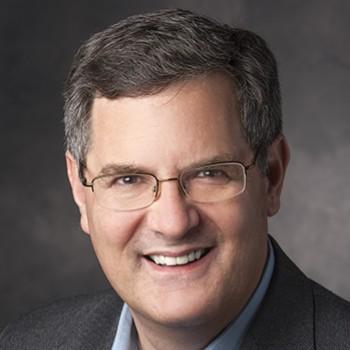
Mark Musen, MD, PhD
Division Chief
Professor of Medicine, Computational Medicine, Division Chief
Dr. Musen leads Stanford Division of Computational Medicine and conducts research related to open science, data stewardship, intelligent systems, and biomedical decision support. His group developed Protégé, the world’s most widely used technology for building and managing terminologies and ontologies. He is Principal Investigator of the National Center for Biomedical Ontology, one of the original National Centers for Biomedical Computing created by the U.S. National Institutes of Heath (NIH). He is principal investigator of the Center for Expanded Data Annotation and Retrieval (CEDAR).
Dr. Musen has led CEDAR which is a Center of Excellence supported by the NIH Big Data to Knowledge Initiative, with the goal of developing new technology to ease the authoring and management of biomedical experimental metadata. Dr. Musen chaired the Health Informatics and Modeling Topic Advisory Group for the World Health Organization’s revision of the International Classification of Diseases (ICD-11) and he currently directs the WHO Collaborating Center for Classification, Terminology, and Standards at Stanford University.
Education:
PhD, Stanford University, Medical Information Sciences
MD, Brown University
Residency, Stanford University Hospital, Internal Medicine
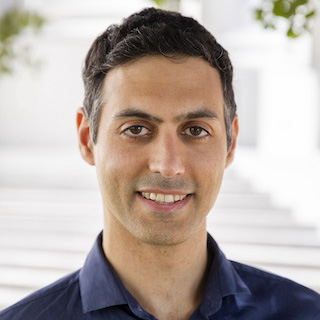
Elior Rahmani, PhD
Assistant Professor of Medicine, Computational Medicine
Elior Rahmani is an Assistant Professor at Stanford and earned his PhD in Computer Science from UCLA in 2020 and completed postdoctoral training at UC Berkeley (2020–2022). His research focuses on developing and applying novel machine learning and statistical methods to better understand the molecular and clinical heterogeneity of complex diseases. The ultimate goal of his work is to systematically identify clinically actionable patient subgroups, enabling tailored treatments and advancing precision and equity in medicine. He is the principal investigator of an NHGRI-funded R21 award and a pending NIGMS R35 award.
Education:
PhD, University of California, Los Angeles
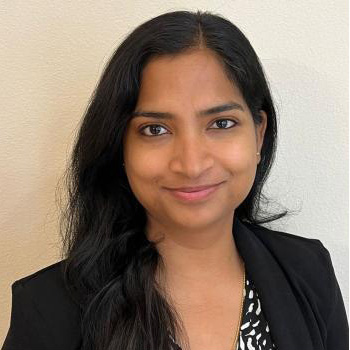
Shriti Raj, PhD
Assistant Professor of Medicine, Computational Medicine
Shriti is an Assistant Professor (Research) in the Division of Computational Medicine and a Faculty Fellow at the Institute for Human-Centered AI. Shriti’s work focuses on developing and evaluating human-centered techniques to augment people’s ability to make health data and algorithms actionable. Her recent work examined how patients and clinicians analyze and interpret patient-generated data from medical devices and how different human-machine artifact configurations enable or limit data-informed decision-making in the context of Type 1 diabetes. Shriti received her PhD from the University of Michigan. Her work has been awarded by ACM CHI and has informed the development of an educational program for people with Type 1 diabetes.
Education:
PhD, University of Michigan, Information
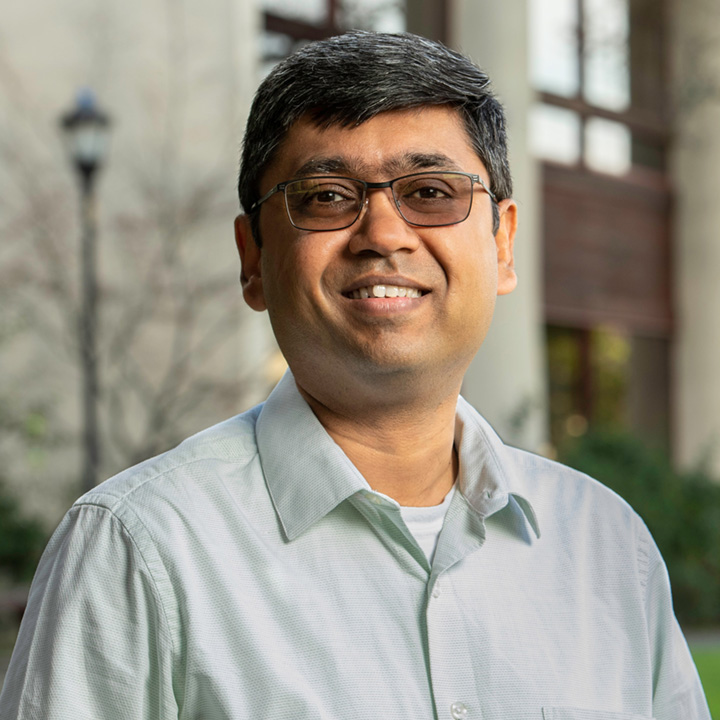
Nigam H. Shah, MBBS, PhD
Associate Director
Professor of Medicine, Computational Medicine
Dr. Shah is Associate Director of the Division of Computational Medicine. He is a physician scientist and an expert in approaches that combine machine learning and knowledge of medical ontologies to enable use cases for the learning health system. He develops methods to analyze large unstructured data sets for use in data-driven medicine and to enable improvements is decision-making in medicine and health care. Dr. Shah joined the Division faculty in 2011. Prior to that he served as a Research Scientist in the Division and trained as a Postdoctoral Fellow with Dr. Mark Musen between 2005-2007.
Education:
PhD, Pennsylvania State University, Molecular Medicine
MBBS, Baroda Medical College, Medicine
Section of Biostatistics Faculty
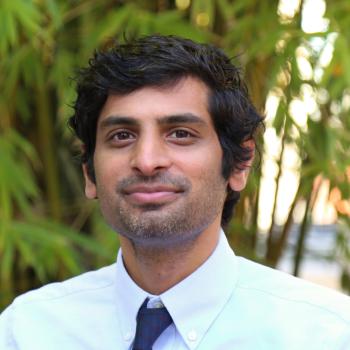
Vivek Charu, MD, PhD
Assistant Professor of Pathology and of Medicine (Computational Medicine)
Dr. Charu is a physician and a biostatistician. His clinical expertise is in the diagnosis of non-neoplastic kidney and liver disease (including transplantation). His research interests center on the design of observational studies and clinical trials, the analysis of observational data, and causal inference.
Manisha Desai, PhD
Section Chief of Biostatistics, Director of the Quantitative Sciences Unit
Kim and Ping Li Professor of Medicine, Computational Medicine/Biostatistics
Dr. Desai is the Section Chief of Biostatistics and the Director of the Quantitative Sciences Unit (QSU). She is an expert in the design of complex clinical trials, the handling of missing data, the translation of trial findings to real world target populations, and the optimal development of data science infrastructure for academic medical centers. As Section Chief of Biostatistics and Director of the QSU, she manages a group of faculty, and PhD- and Master’s-level staff, who collaborate with clinical and translational investigators throughout the School of Medicine to generate robust and rigorous evidence that drives patient care. Dr. Desai joined the Department of Medicine at Stanford University in 2009.
Education:
PhD, University of Washington, Seattle, WA, Biostatistics
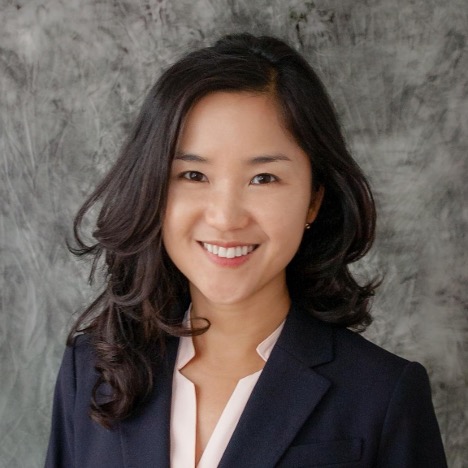
Summer Han, PhD
Assistant Professor (Research) of Neurosurgery and Medicine (Computational Medicine)
Dr. Han is an Assistant Professor of Neurosurgery and Medicine in the Stanford School of Medicine and a member of the QSU. She holds a PhD in Statistics (Yale, 2009) with concentration on statistical genetics. Dr. Han’s research focuses on developing novel statistical methods for understanding the interplays between genes and the environment and for evaluating efficient screening strategies based on etiological understanding. She is the Principal Investigator of the NIH funded project for conducting GWAS, building risk prediction models, and developing decision analysis for cancer screening for second primary lung cancer (SPLC).
Research Interests: statistical genetics, molecular epidemiology, cancer screening, health policy modeling, and risk prediction modeling
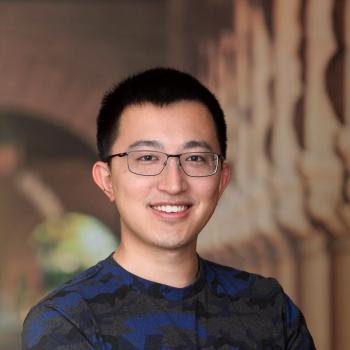
Zihuai He, PhD
Assistant Professor (Research) of Neurology and of Medicine (Computational Medicine)
Dr. He received his PhD from the University of Michigan in 2016. Following a postdoctoral training in biostatistics at Columbia University, he joined Stanford University as an assistant professor of neurology and of medicine in 2018. His research is concentrated in the area of statistical genetics and integrative analysis of omics data.
Research Interests: Statistical Genetics, Integrative Analysis of Omics Data, Neurological Disorders, High-dimensional Data Analysis, Correlated (longitudinal, familial) Data Analysis, Machine Learning
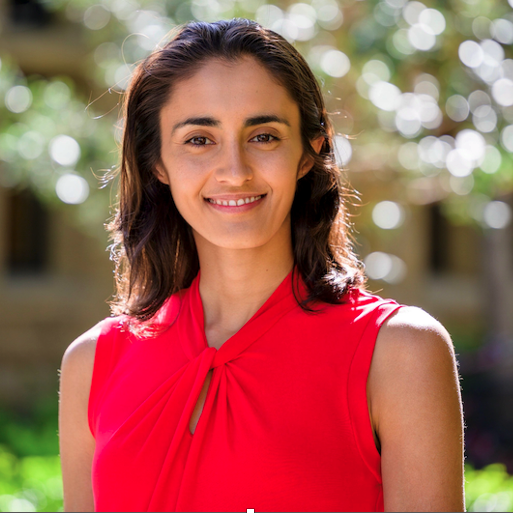
Maya Mathur, PhD
Assistant Professor (Research) of Pediatrics and Medicine (Computational Medicine)
Dr. Mathur is an Assistant Professor in the Quantitative Sciences Unit and the Department of Pediatrics. She is the Associate Director of the Stanford Data Science’s Center for Open and Reproducible Science (CORES). She is a statistician whose methodological research focuses on meta-analysis and other forms of evidence synthesis, as well as causal inference. She has received early-career and young investigator awards from the Society for Epidemiologic Research (2022), the Society for Research Synthesis Methods (2022), and the American Statistical Association (2018).
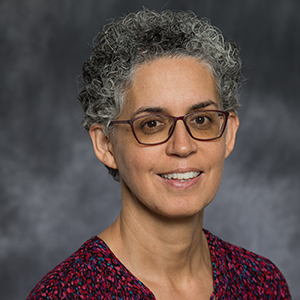
Maria Montez Rath, PhD
Assistant Professor of Medicine in Nephrology and Computational Medicine-Biostatistics
Director of the Biostatistics Core for the Division of Nephrology
Dr. Maria Emília de Oliveira Montez Rath is an Assistant Professor of Medicine in Nephrology and BMIR-Biostatistics at Stanford, where she also serves as the Director of the Biostatistics Core for the Division of Nephrology. A data scientist with classical training in biostatistics, she leads the design and analysis of complex clinical studies to answer critical questions about kidney disease.
For fifteen years, she has collaborated with faculty and fellows to tackle a variety of research challenges in the field. Her work focuses on developing innovative observational methods to handle missing data, draw causal inferences, and translate findings from clinical trials into real-world applications. Dr. Montez-Rath is an expert in Target Trial Emulation (TTE), with deep experience in both the design and analysis of TTE studies to answer complex clinical questions using observational data. By bridging the methodological gaps that arise in this collaborative research, Dr. Montez-Rath’s efforts aim to directly improve patients’ lives and the delivery of healthcare.