
Products & Tools
Computational Medicine Investigators and staff are devoted to developing Programs and Tools that incorporate multiple methods, including machine learning, biostatistics, semantic technology, and the modeling of biomedical systems to benefit clinical and translational research as well as patient care. Computational Medicine works to uncover new ways to advance personalized medicine and to enhance human health and wellness. We connect data to health.
ARMD Dataset

BioPortal
BioPortal is the a comprehensive open repository of biomedical ontologies, providing tools to search, browse, annotate, and analyze standardized biomedical vocabulary across thousands of ontologies.
CEDAR Workbench
ChatEHR
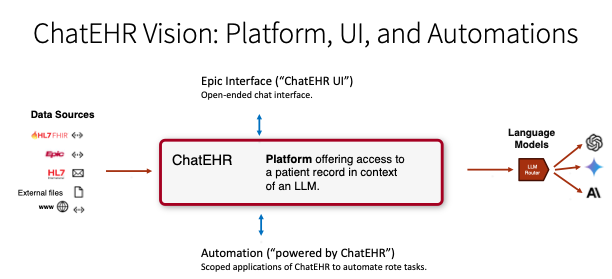
ChatEHR is a set of capabilities developed at Stanford Medicine, for using a set of Large Language Models (LLMs) with a single patient’s longitudinal medical chart in context.
Clinical Text De-Identifier
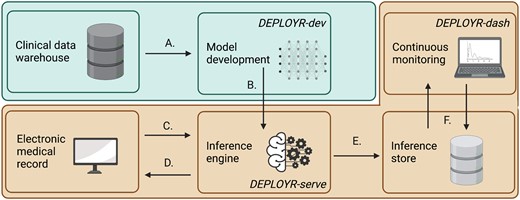
DEPLOYR
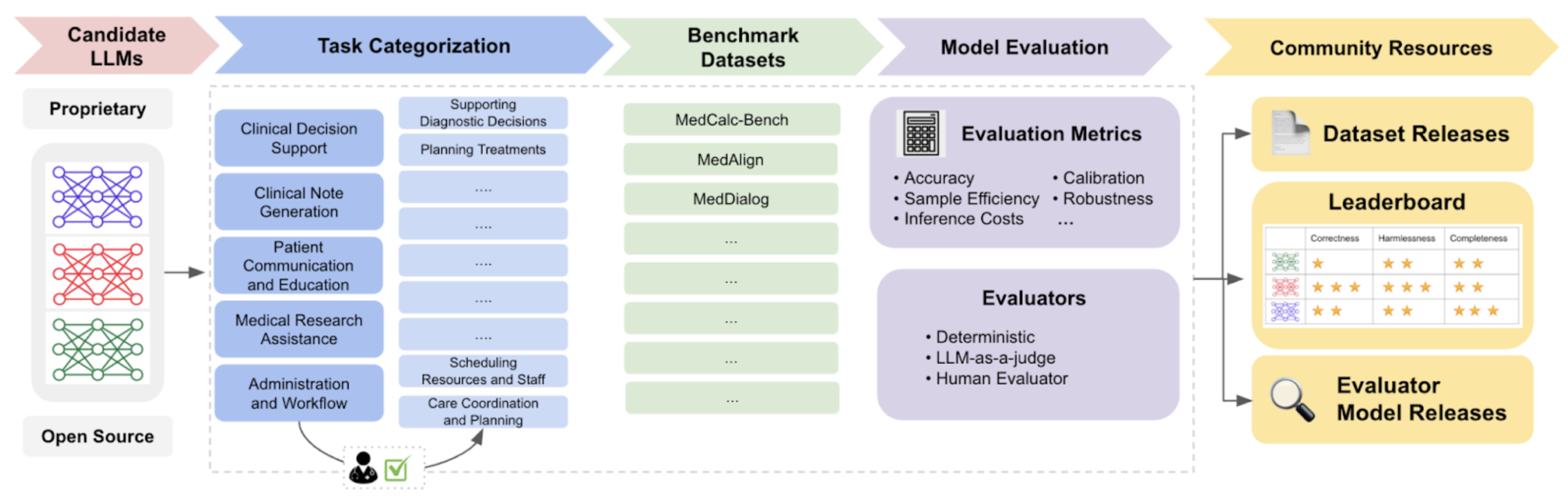
MedHELM
MedHELM introduces a task-based evaluation framework that shifts the frontier of healthcare LLM evaluation from traditional exam-style QA to real, clinician-defined tasks.
MoTrPAC Data Hub

Protégé
A free, open-source ontology editor and framework for building intelligent systems. Protégé is supported by a strong community of academic, government, and corporate users, who use Protégé to build knowledge-based solutions in areas as diverse as biomedicine, e-commerce, and organizational modeling.
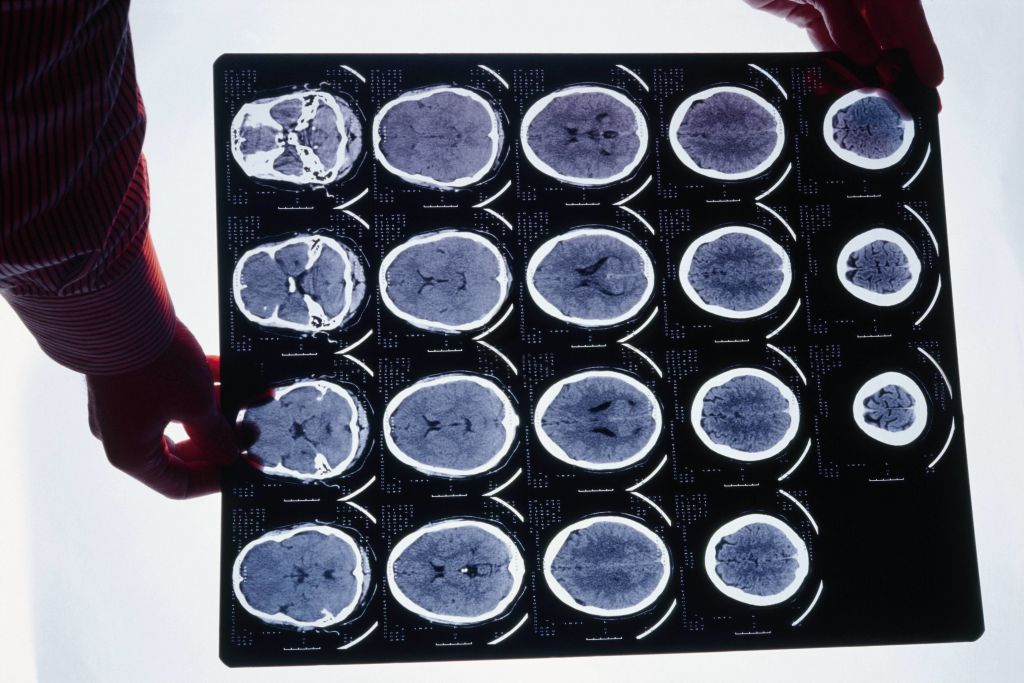
Radiology Report Explanation
This tool uses concept extraction methods and a large language model to provide natural language explanations of concepts in radiology reports.
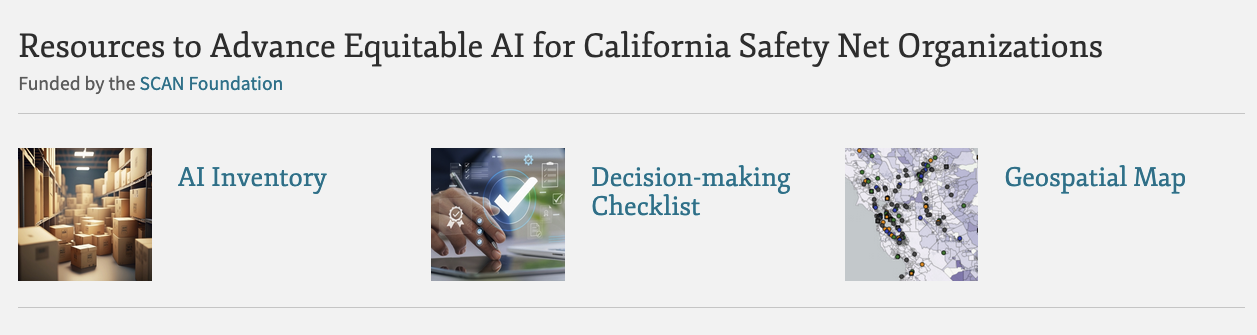
Resources to Advance Equitable AI for California Safety Net Organizations
These three tools were created as of result of research examing how artificial intelligence and machine learning (AI/ML) tools are selected, evaluated, and deployed in healthcare settings serving older adults.

TriVerity
TriVerity is a rapid molecular test that helps doctors make better decisions in emergency and hospital care, when diagnoses are uncertain but decisions can’t wait.