
News & Announcements
Featured News
from the Division
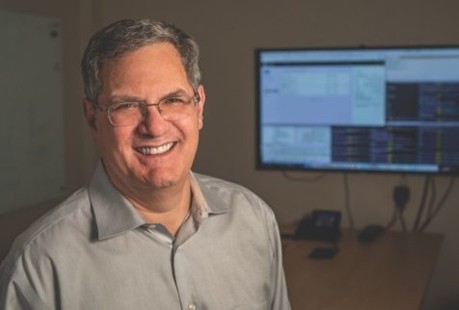
Division Chief Dr. Mark Musen awarded $20 Million for National AI-Enabled Cloud Laboratory Network
Stanford researchers have received $20 million as part of a new $400 million national initiative to build a network of AI-enabled, remotely operated laboratories. Led at Stanford by Mark Musen (pictured), the four-year project brings together collaborators from Purdue University, Morehouse College, and Emerald Cloud Lab to advance automated scientific experimentation. The Stanford team will also develop shared standards that will allow researchers to exchange cloud-lab specifications across the broader network of 20 awardees. The initiative is a core National Science Foundation contribution to the federal Genesis Mission, which seeks to harness AI to accelerate scientific discovery.
Division & Research News
AI, Discovery, and The Future of Health Care
The latest RAISE Health newsletter features Division Chief Mark Musen’s NSF-backed project to build a national network of AI-driven “self-driving” laboratories, along with advances in biomedical AI and new perspectives on AI in mental health care.

The People Who Defy Alzheimer’s Risk: A Q&A with Yann Le Guen
In a new Q&A, QSU’s Yann Le Guen discusses his new research on why some people remain cognitively healthy despite high genetic risk for Alzheimer’s. The findings may offer clues to natural protection against the disease.
Why Some People With a Major Alzheimer’s Risk Gene Stay Protected
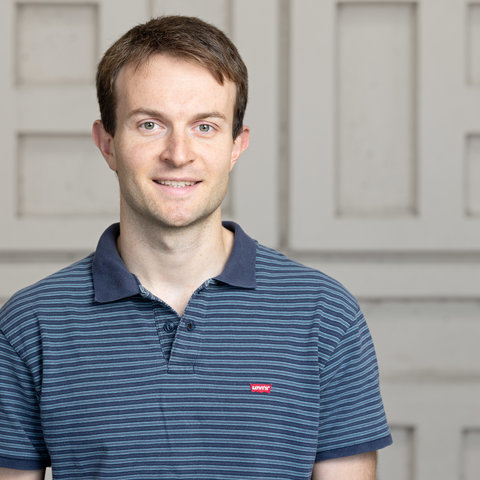
A new study led by QSU’s Yann Le Guen [pictured] starts with a different question from most Alzheimer’s research: Instead of asking why people who carry APOE ε4 develop Alzheimer’s disease, the researchers asked why some carriers remain cognitively healthy well into older age. Click the post to read the full study!
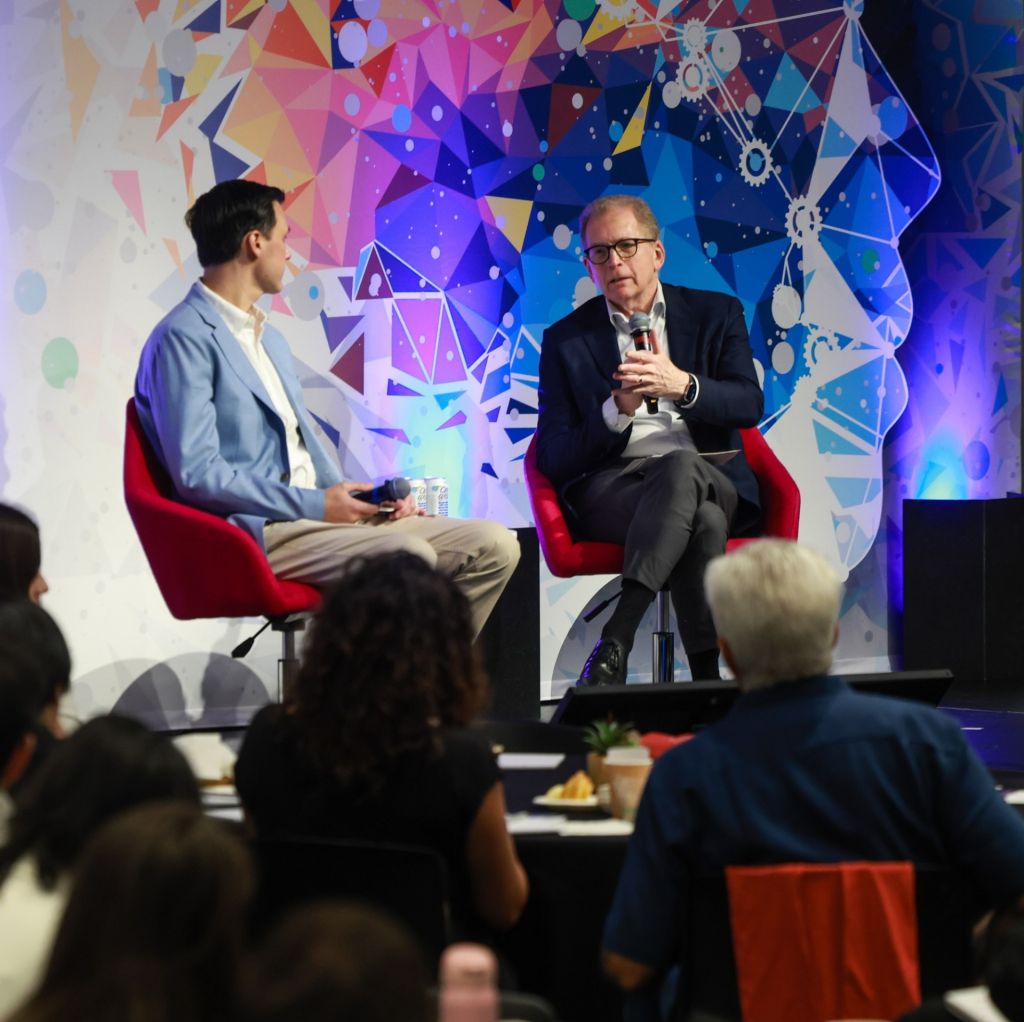
Big Ideas from Stanford Health AI Week
Speakers from academia, industry, government and nonprofits explored developing and implementing artificial intelligence in medicine responsibly, effectively and reliably.
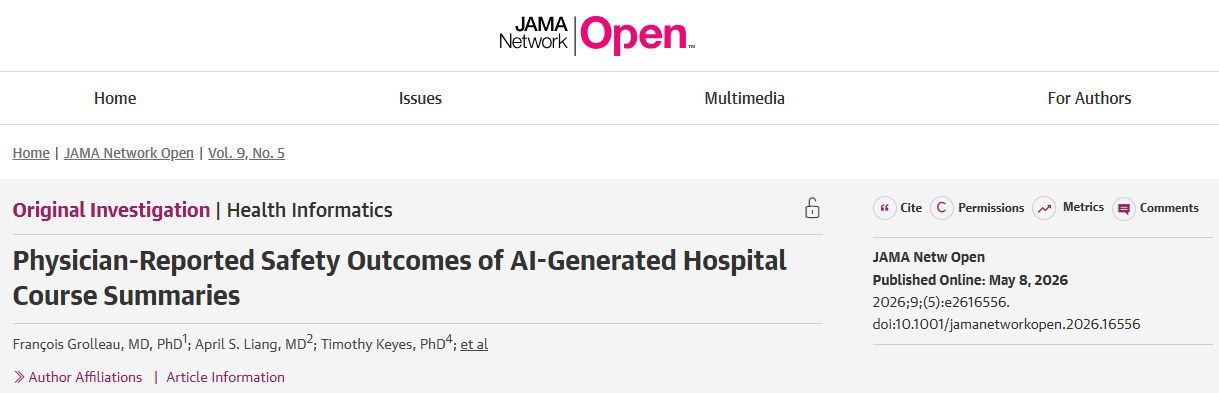
Physician-Reported Safety Outcomes of AI-Generated Hospital Course Summaries
A new JAMA Network Open study found that an AI-powered workflow for generating hospital discharge summaries was associated with reduced physician burnout and minimal reported safety risk during real-world clinical deployment. Authored by colleagues across DoM’s Divisions of Hospital Medicine and Computational Medicine, the Clinical Excellence Research Center, and Stanford colleagues.

AI Outperformed Doctors on Diagnosing Touch Cases – But is it Ready for Real Patients?
An AI program put to the most rigorous tests in modern medicine aced its exams, and in fact performed better than human doctors on reasoning tasks such as making emergency room decisions.
New Study Sheds Light on Growing Capabilities of AI in Medicine
One of the first studies conducted on AI’s ability to perform complex medical reasoning tasks has been published in “Science” magazine on Thursday. It has found that AI is often performing better than human physicians in complex medical diagnosis and reasoning.
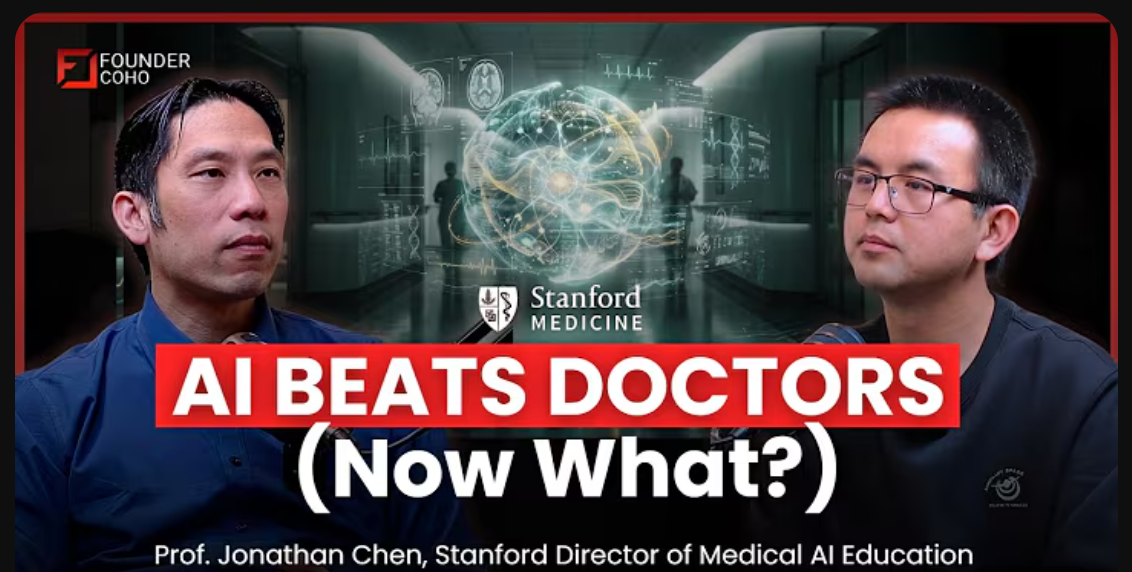
Stanford Professor: How LLMs Influence Medical Diagnosis | Prof. Jonathan Chen
Dr. Jonathan Chen discusses startling research showing that AI can sometimes outperform doctors even when they are equipped with AI tools, challenging traditional “human-in-the-loop” assumptions. He explores the transition from AI as a tool to an active teammate, while warning against risks like anchoring bias and the 10–20% rate of harmful recommendations in current models. From his “ChatEHR” project to the challenges of AI in medical education, Chen envisions a future where automation and human judgment must be carefully balanced.
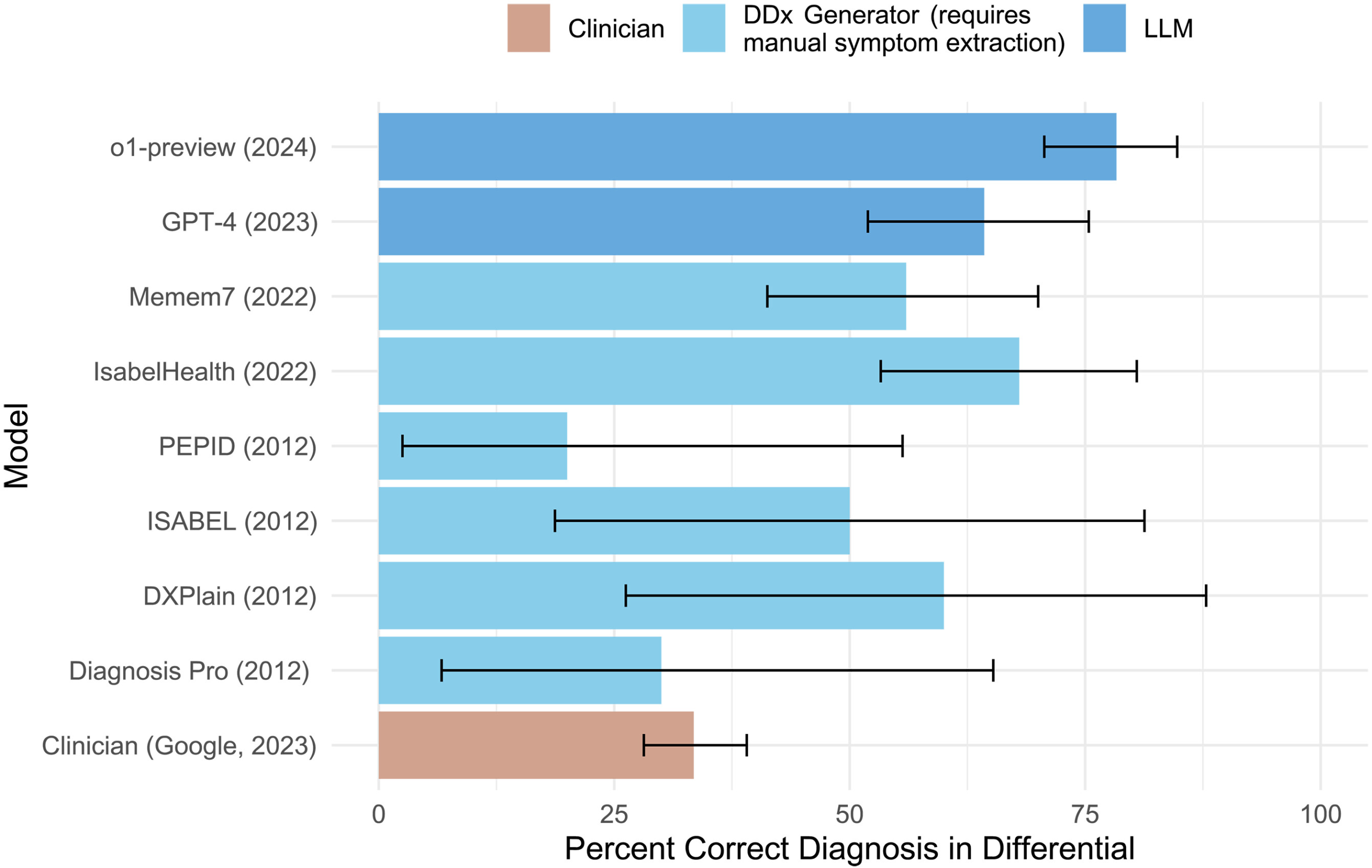
Performance of a Large Language Model on the Reasoning Tasks of a Physician
In a new Science study, Ethan Goh, Evelyn Bin Ling, Jason Hom, Jonathan Chen, and colleagues from Harvard Medical School and Beth Israel Deaconess Medical Center evaluated the OpenAI o1 model against hundreds of physicians across real-world clinical scenarios. The model outperformed both clinicians and prior systems in diagnosis and management, underscoring its growing potential in clinical care.
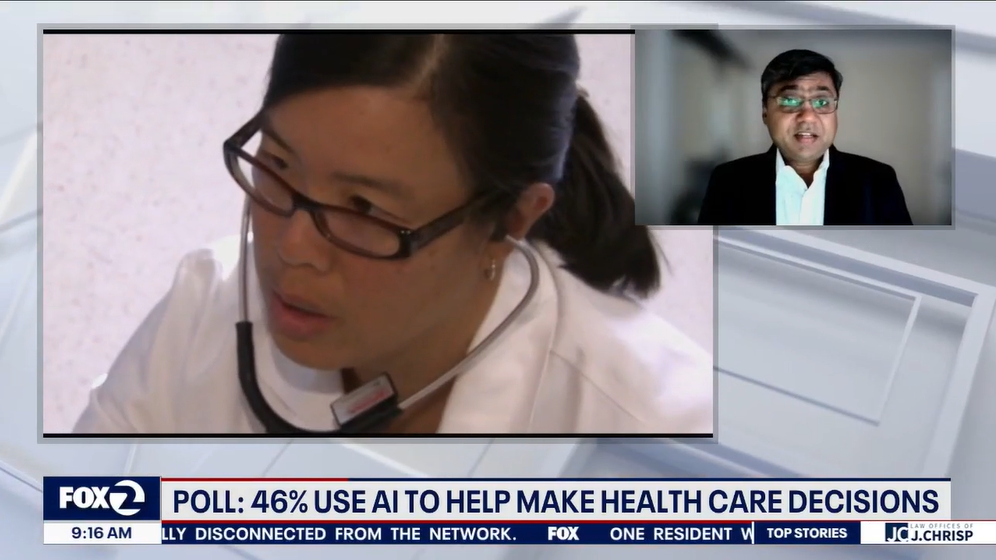
Nearly Half of Americans Use AI to Help Make Health Care Decisions, Poll Finds
A new Gallup poll finds nearly half of U.S. adults are using artificial intelligence to help make health decisions, with some turning to it instead of seeing a doctor. An estimated 14 million Americans say they’ve skipped medical care altogether based on AI guidance. Dr. Nigam Shah, the chief data scientist at Stanford Health Care, joined us on ‘The Nine’ to break down the risks, benefits and what patients should keep in mind.
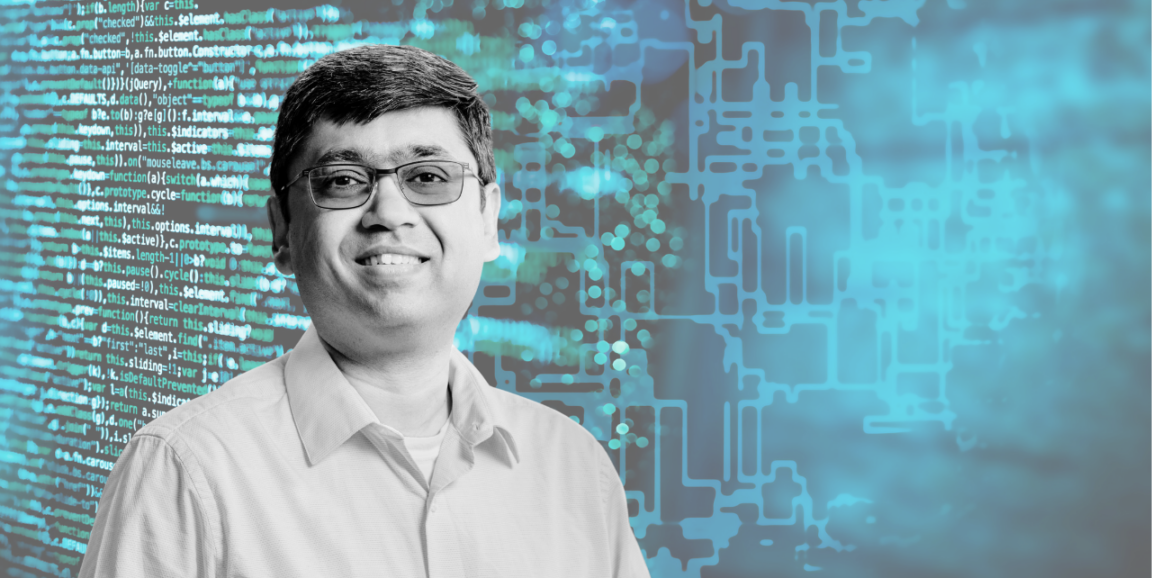
Nigam Shah Elected to AAP
Congratulations to Nigam Shah (center) on his election to the Association of American Physicians (AAP). He was recognized among colleagues at the AAP New Member Induction Dinner over the weekend — an honor that highlights his outstanding contributions to academic medicine and research.
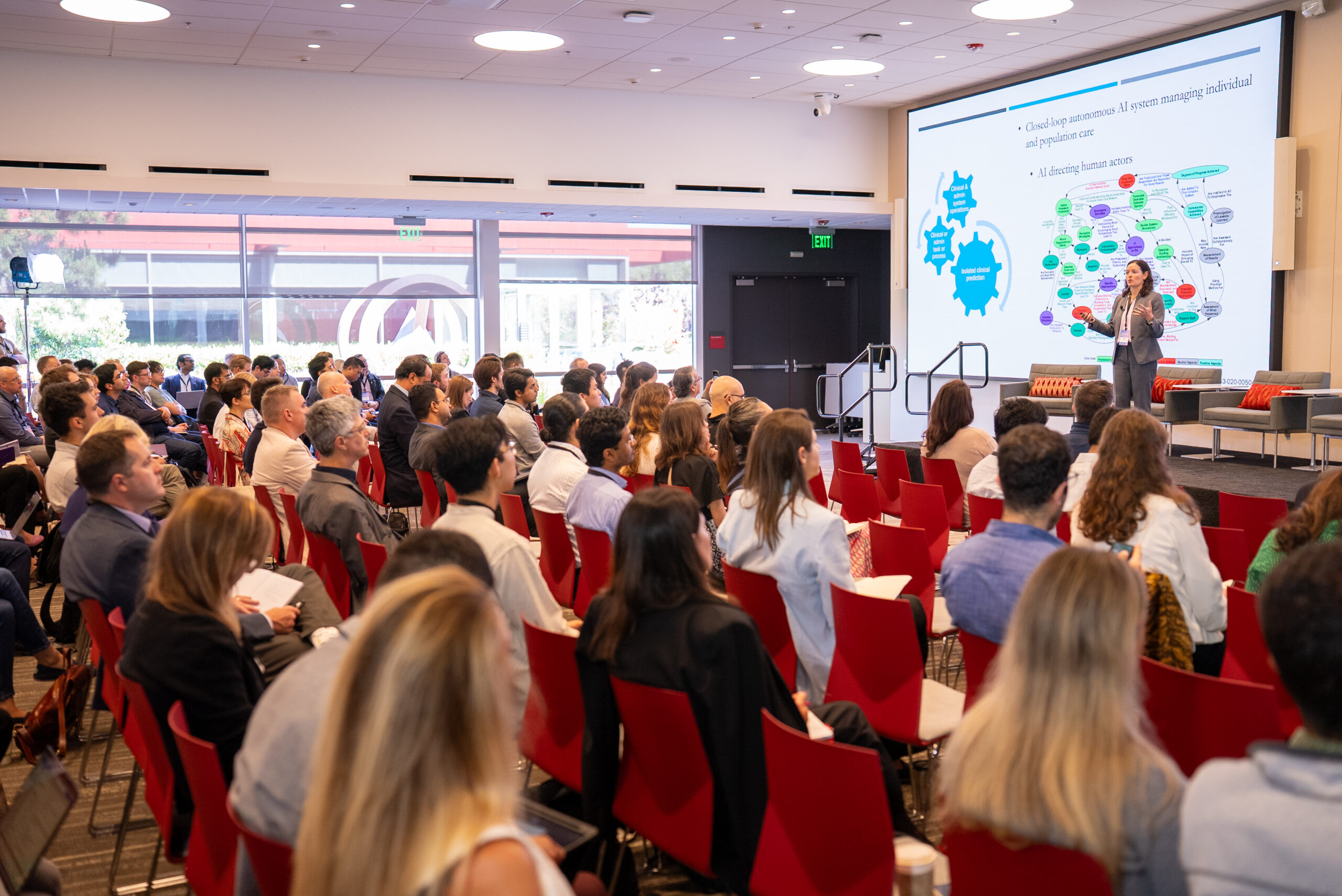
Turning AI Promise into Real-World Practice: Stanford AI in Healthcare Leadership and Strategy
In conference rooms and clinics across the country, leaders are asking the same question: How do we move from excitement about artificial intelligence to systems that actually work — safely, responsibly, and at scale? At the Stanford Division of Computational Medicine, a new program aims to answer that question.

The $1 Trillion Problem AI Still Can’t Yet Solve
The invisible layer of healthcare, known as the administrative spending, costs the United States more than $1 trillion every year. Almost 25 cents of every dollar in healthcare. Despite all the excitement around AI, administrative spending remains largely untouched.
*Artwork courtesy of Jennie Ellison*
AI Translation in Healthcare: An Urgent Call For Evidence-Informed Policy Frameworks
In a new BMJ perspective, researchers Chuk Anyaegbuna, Natasha Steele, April Shichu Liang, Stephen Ma, Ivan Lopez, Nymisha Chilukuri, Kavita Patel, Kevin Schulman, & Jonathan Chen warn that AI translation tools are rapidly entering healthcare without adequate oversight — raising risks of uneven performance across languages and widening health disparities.

The Inverse Care Law in the Age of AI – Geographic Disparities in Health Care Technology Access
A new paper in NEJM AI highlights how AI may unintentionally deepen existing health disparities. First author Yeon-Mi Hwang, alongside senior author Tina Hernandez-Boussard, examines how rural communities — despite facing greater health burdens — have less access to the infrastructure needed to implement AI-driven care.